

2026-05-25
Creativity Is More Than Talent: A Visual Arts Teacher from New Zealand Explains How to Develop It
Creativity Is More Than Talent: A Visual Arts Teacher from New Zealand Explains How to Develop It Creativity is not simply an innate talent—it is a skill that can be developed. This is the belief of Beth Roberts, a Visual Arts and Design teacher from New Zealand who now teaches in Vilnius. According to the […]
Creativity Is More Than Talent: A Visual Arts Teacher from New Zealand Explains How to Develop It
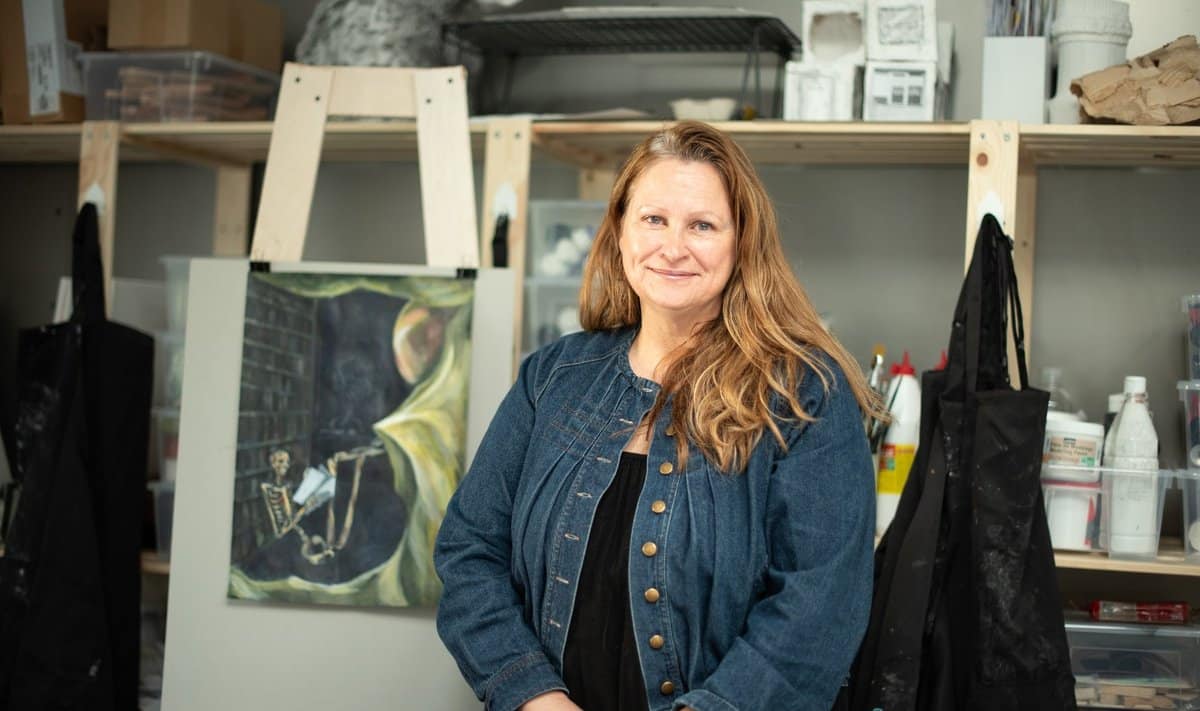
Creativity is not simply an innate talent—it is a skill that can be developed. This is the belief of Beth Roberts, a Visual Arts and Design teacher from New Zealand who now teaches in Vilnius.
According to the Erudito Licėjus teacher, art helps children develop critical and creative thinking—skills that are essential not only in school but throughout life. In Lithuania, she has been particularly impressed not only by the curiosity and motivation of her students but also by the country’s vibrant artistic culture, which is visible even in its streets.
Art Teaches Problem-Solving
Beth explains that modern art education is no longer about copying existing work but about creating, exploring, and thinking independently.
“Students learn to think both critically and creatively. At its core, art is about solving problems—there is never just one correct solution. A single project can have dozens of different outcomes, and that flexibility is incredibly valuable in life,” says Roberts.
These abilities are becoming increasingly important in today’s job market. According to Beth, employers highly value people who can think creatively, solve complex problems, and approach situations from different perspectives.
Give Children the Freedom to Create
For parents who want to nurture their children’s creativity, Beth’s advice is simple: give them opportunities to create. Keeping art materials at home, encouraging exploration and experimentation, and allowing children to try without pressure all help creativity flourish.
“I would recommend visiting art galleries and exhibitions together, talking about art, sharing ideas, and encouraging open-ended creative play. Creativity doesn’t need to be forced—it can be gently nurtured through the environment and the experiences children are exposed to.”
As children grow older, she believes it becomes even more important to continue encouraging creativity, as it can gradually fade due to external pressure or fear of making mistakes.
“Children naturally begin life as artists—they draw, imagine, and create freely. As they get older, however, they may lose confidence or start focusing on things they see as more ‘practical.’ Parents can help by encouraging perseverance. Art requires patience and practice. It’s a skill that develops over time, just like any other.”
One of the most common things Beth hears from students is, “I can’t draw.” She believes this mindset can be changed once students understand that artistic ability develops step by step through practice.
Lithuanian Students Stand Out for Their Determination
Speaking about her experience in Lithuania, Beth highlights her students’ motivation and commitment to learning.
“I’ve been incredibly impressed by Lithuanian students who choose art as an elective subject. They are highly motivated, willing to put in extra work, and genuinely committed to improving. Younger students, however, sometimes place less value on art as a subject, often reflecting their parents’ perceptions. I see this as both a challenge and an opportunity to demonstrate just how valuable arts education really is.”
Vilnius Has Left a Lasting Impression
Originally from New Zealand, Beth says she has fallen in love with Lithuania’s culture, architecture, and rich history.
“I love that in Vilnius you’re surrounded every day by centuries-old buildings and traditions, and that culture is visible not only in museums but throughout the city itself. I was especially impressed by the Kaziukas Fair. To me, it’s a wonderful celebration of tradition, craftsmanship, and history. Lithuanian winters have certainly been colder than I expected, but I truly enjoy living in Vilnius—especially in the Old Town.”
Art Is a Way of Thinking and Seeing the World
For Beth, art is ultimately about learning to understand the world. It is not only about creating—it is about observing, asking questions, and building connections with ourselves, with others, and with our surroundings.
“Through travelling, I’ve experienced art in many different forms—from Barcelona’s architecture and ceramics in Turkey to seeing artworks I’d always dreamed of viewing in galleries. These experiences have expanded not only my knowledge but also my perspective. As a teacher, my goal is to help students see art not simply as a school subject, but as a way of thinking and understanding the world.”
Join us
Register for a visit to the school and become part of our community!